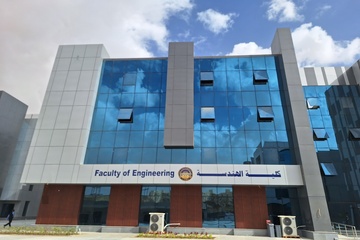
برنامج الهندسة المدنية والبناء
وصف البرنامج
يجسد برنامج الهندسة المدنية وهندسة البناء التكامل الوثيق بين عمل المهندس المعماري والمهندس المدني، ساعيًا إلى تخريج مهندسين مدنيين قادرين على تقديم حلول فعالة عبر الأساليب الهندسية المتخصصة في هذين المجالين. يتميز خريجو البرنامج بإلمامهم العميق بالقضايا التكنولوجية والاجتماعية والبيئية المرتبطة بمشاريع الإنشاءات، بينما يركز البرنامج على تزويد الطلاب بالمفاهيم المتقدمة للتصميم الإنشائي.
يكتسب الطلاب خلال دراستهم أساسيات تصميم الهياكل الفولاذية والخرسانية وتصميم خزانات المياه، وذلك بالاستناد إلى أحدث إصدارات كود التصميم العالمية. كما يزوّدهم البرنامج بأساسيات تحليل الديناميكيات والزلازل مع تطبيق إصدارات كود التصميم الحديثة في هذه المجالات الحيوية. وتُعد إدارة موارد المشاريع وتقييم المخاطر وضمان معايير السلامة معرفةً أساسية يُكتسبها الطلاب، تمهيدًا ليكونوا مهندسي هياكل مؤهلين بالكفاءة المطلوبة.
آفاق العمل
يتمتع خريجو هذا البرنامج بمجموعة متنوعة من الفرص للعمل في برنامج الهندسة المدنية والبناء. وسيكونون مؤهلين لشغل مناصب في شركات متخصصة في تصميم وتحليل وتشغيل وبناء وإدارة مجموعة واسعة من مشاريع البناء السكنية والتجارية والصناعية. يمكن العثور على الخريجين في العديد من الشركات والمنظمات، على سبيل المثال:
• السلطات الحكومية،
• شركات استشارية في الهندسة المدنية والبناء،
• مقاولو الهندسة المدنية ومديرو المشاريع،
• منظمات الهندسة البيئية.
مسارات التخصص بالبرنامج
يوفر البرنامج للطالب الجامعي أساسًا وتقنيات شاملة في المبادئ الأساسية لإدارة المشاريع المدنية والإنشائية والهندسة البيئية. يوفر البرنامج مجالان مختلفان يمكن للطلاب في هذا البرنامج التخصص فيها. هذه المجالات هي:
1. الهندسة الإنشائية
2. إدارة البناء
1. الهندسة الإنشائية:
تهتم الهندسة الإنشائية بالتصميم الإنشائي والتحليل الإنشائي للمباني والجسور والأبراج وغيرها من الهياكل. يتضمن ذلك تحديد الأحمال التي تؤثر على الهيكل، والقوى والضغوط التي تنشأ داخل هذا الهيكل بسبب تلك الأحمال، ثم تصميم الهيكل لدعم تلك الأحمال ومقاومتها بنجاح. يمكن أن تكون الأحمال هي الوزن الذاتي للهياكل، والأحمال الميتة الأخرى، والأحمال الحية، والأحمال المتحركة (العجلات)، وأحمال الرياح، وأحمال الزلازل، والأحمال الناتجة عن تغير درجة الحرارة، وما إلى ذلك. يجب على المهندس الإنشائي تصميم الهياكل لتكون آمنة لمستخدميها، وللوفاء بالوظيفة المصممة لها بنجاح (لكي تكون صالحة للخدمة). ونتيجة لطبيعة بعض ظروف التحميل، ظهرت تخصصات فرعية داخل الهندسة الإنشائية، بما في ذلك هندسة الرياح وهندسة الزلازل.
2. إدارة الإنشاءات:
تمنح إدارة الإنشاءات الطلاب تركيزًا متخصصًا على التخطيط، والجدولة، وإدارة الموارد، وأخذ الكمية، وتطبيقات الكمبيوتر، وتقدير التكاليف، وإدارة المخاطر، والسلامة، والعقود، وحل المشكلات، والتواصل مع الأشخاص، ومهارات الإدارة والقيادة.